In order to implement the strategic deployment of the Central Committee of the Communist Party of China on building a strong cultural and intellectual property country, encourage the creation of audiovisual content in broadcasting, television, and the internet, protect the intellectual property rights and interests of content service providers, and innovate service models, the State Administration of Radio and Television actively promotes the copyright protection of audiovisual content, organizes the establishment of a digital rights management (DRM) standard system for audiovisual content distribution, and publishes industry standards such as the "Technical Specification for Digital Rights Management of Audiovisual Content Distribution" (GY/T277-2019) to promote the standardized construction and operation of the digital rights management system for audiovisual content distribution.
In order to standardize the application and deployment of DRM technology for video audio content distribution, the State Administration of Radio and Television issued the "Digital Rights Management Standard System for Video Audio Content Distribution" (Radio and Television Office [2021] No. 45) in 2021. Seven standards have been officially released, and the standard system for digital rights management of video audio content distribution is shown in Figure 1.
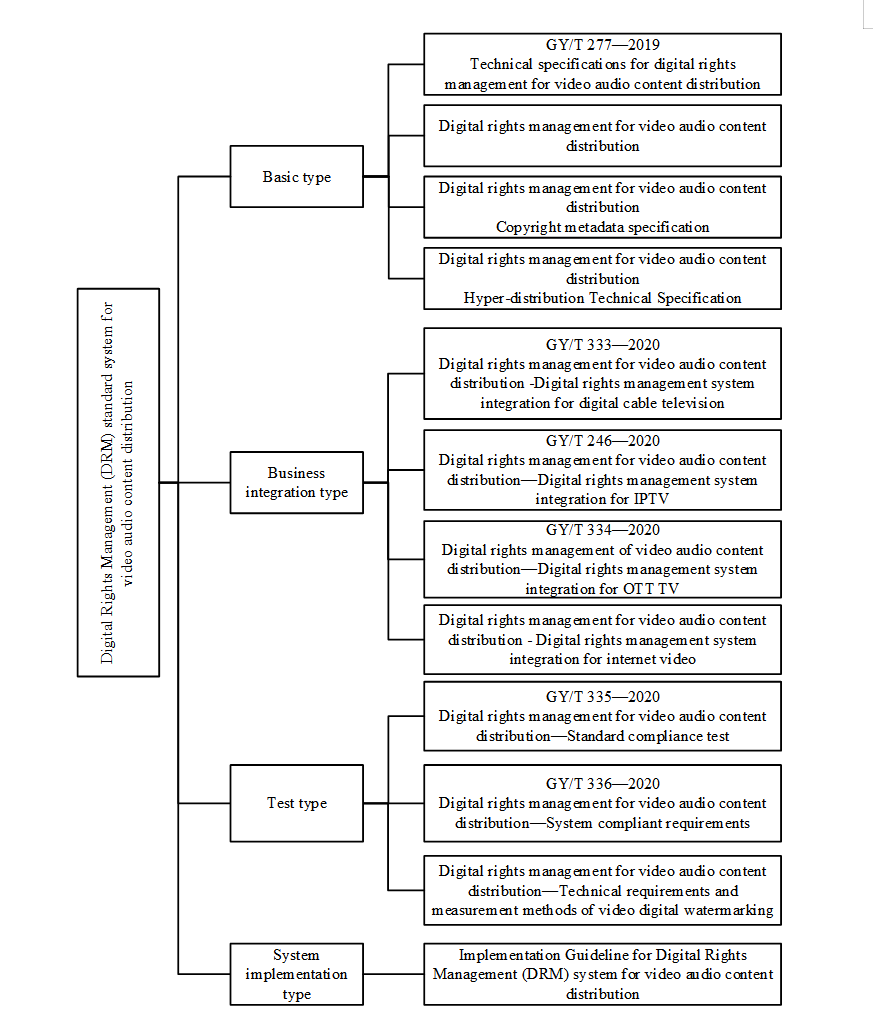
Figure 1 Digital Copyright Management Standards for Video Audio Content Distribution
GY/T 277-2019: specifies the logical architecture, technical mechanism, content encryption, license format, license acquisition agreement, as well as the relevant technical requirements for DRM server and DRM client of digital rights management for video and audio content distribution.
GY/T 333-2020: specifies the core mechanisms and interface protocols for cable digital TV DRM system integration framework, content encryption, key management, content authorization, and terminal integration.
GY/T 246-2020: specifies the integration framework of IPTV digital rights management system, encryption and authorization of live content, encryption and authorization of on-demand content, and integration of DRM client.
GY/T 334-2020: specifies the integration framework, system functions and interface protocols of the digital rights management system for Internet TV.
GY/T 335-2020: specifies the content and methods of conformity testing for GY/T 277-2019.
GY/T 336-2020: specifies the functional, performance, and standard compliance testing requirements for the digital rights management system for video and audio content distribution, as well as the security management evaluation requirements for system integration and operation maintenance.
Implementation Guidelines for Digital Rights Management (DRM) Technology Application in Video and Audio Content Distribution (2023 Edition): Guide industry organizations, smart terminal device and chip manufacturers, and DRM technology providers in the provision of video and audio content and services to implement DRM technology standards and strengthen copyright protection for audiovisual content.
The digital copyright management of video and audio content distribution involves multiple aspects such as video and audio content provision, service provision, and terminal playback. At present, some Internet TV, Internet video services IPTV、 Cable digital television and other institutions have deployed DRM technology standards for video and audio content distribution, with over 100 million smart TVs, smart set-top boxes, mobile terminals, and in car entertainment devices integrating DRM functions, laying the foundation for large-scale industrial application of DRM technology standards.
In order to implement the strategic deployment of the Central Committee of the Communist Party of China on building a strong cultural and intellectual property country, encourage the creation of audiovisual content in broadcasting, television, and the internet, protect the intellectual property rights and interests of content service providers, and innovate service models, the State Administration of Radio and Television actively promotes the copyright protection of audiovisual content, organizes the establishment of a digital rights management (DRM) standard system for audiovisual content distribution, and publishes industry standards such as the "Technical Specification for Digital Rights Management of Audiovisual Content Distribution" (GY/T277-2019) to promote the standardized construction and operation of the digital rights management system for audiovisual content distribution.
In order to standardize the application and deployment of DRM technology for video audio content distribution, the State Administration of Radio and Television issued the "Digital Rights Management Standard System for Video Audio Content Distribution" (Radio and Television Office [2021] No. 45) in 2021. Seven standards have been officially released, and the standard system for digital rights management of video audio content distribution is shown in Figure 1.
Figure 1 Digital Copyright Management Standards for Video Audio Content Distribution
GY/T 277-2019: specifies the logical architecture, technical mechanism, content encryption, license format, license acquisition agreement, as well as the relevant technical requirements for DRM server and DRM client of digital rights management for video and audio content distribution.
GY/T 333-2020: specifies the core mechanisms and interface protocols for cable digital TV DRM system integration framework, content encryption, key management, content authorization, and terminal integration.
GY/T 246-2020: specifies the integration framework of IPTV digital rights management system, encryption and authorization of live content, encryption and authorization of on-demand content, and integration of DRM client.
GY/T 334-2020: specifies the integration framework, system functions and interface protocols of the digital rights management system for Internet TV.
GY/T 335-2020: specifies the content and methods of conformity testing for GY/T 277-2019.
GY/T 336-2020: specifies the functional, performance, and standard compliance testing requirements for the digital rights management system for video and audio content distribution, as well as the security management evaluation requirements for system integration and operation maintenance.
Implementation Guidelines for Digital Rights Management (DRM) Technology Application in Video and Audio Content Distribution (2023 Edition): Guide industry organizations, smart terminal device and chip manufacturers, and DRM technology providers in the provision of video and audio content and services to implement DRM technology standards and strengthen copyright protection for audiovisual content.
The digital copyright management of video and audio content distribution involves multiple aspects such as video and audio content provision, service provision, and terminal playback. At present, some Internet TV, Internet video services IPTV、 Cable digital television and other institutions have deployed DRM technology standards for video and audio content distribution, with over 100 million smart TVs, smart set-top boxes, mobile terminals, and in car entertainment devices integrating DRM functions, laying the foundation for large-scale industrial application of DRM technology standards.